


learning from the past, to build a better tomorrow.
Welcome to this page! Here, you will discover an introduction that showcases our resilience and journey following slavery.
The illusion of Freedom and the Return to Servitude.
After 400 to 500 years of the Transatlantic slave trade Africa to the Caribbean, America, Europe, Central, and South America, individuals found themselves destitute. With no place to and lacking food or a homeland, they were compelled to work for the same individuals who had previously enslaved them.
from freedom to Bondage. The Hidden traps of Exploitation.
Discover the untold narrative of the aftermath of slavery. Examine how formerly enslaved individuals became ensnared in cycles of exploitation through deceptive laws, contracts, and economic systems designed to perpetuate their bondage. This page uncovers the hidden mechanisms that transformed legal freedom a new form of servitude.
The New Slavery. Deceptive Contracts and The Fight for True Freedom.
Freedom was promised but ultimately unfulfilled. When slavery was officially abolished, a new system emerged that appeared legitimate but functioned similarly to the previous one. The concept of freedom on paper transformed into a form of imprisonment in practice, substituting chains with contracts and facades. This raises the question: what does true freedom truly signify?
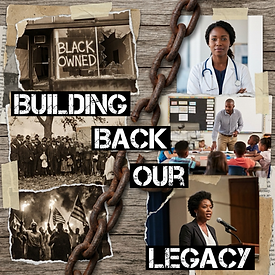
About me
Caught between my ancestral identity and heritage, how the world perceives me, and who I aspire to become.
Growing up in New Cross, SE14 in London, I was immersed in Black American television, Jamaican music, and the rich cultures of Africa and the Caribbean as the child of two Jamaican parents living in Britain. From an early age, I became aware of the significance of Black history around me, even amidst challenges I learned that being part of Black culture comes with a meaningful responsibility. Embracing our history has filled me with and a desire to learn more, reinforcing the understanding that Black history indeed world history and cannot be limited to one location.
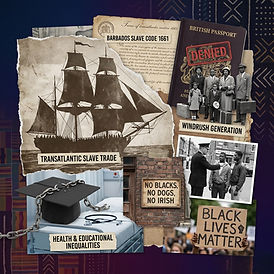

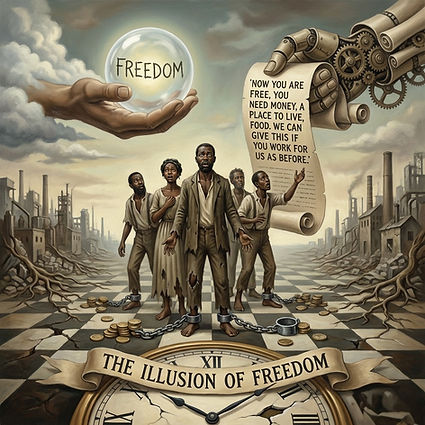
The Illusion of Freedom after Slavery.
Understanding the Journey of People of Color Welcome to this page dedicated to showcasing the trials and tribulations that people of color have faced since the era of slavery and ongoing systemic oppression. This platform aims to highlight the profound impacts of the transatlantic slave trade, colonialism, and the enduring consequences that continue to affect communities today. Through this narrative, we hope to illuminate the struggles and resilience of individuals and communities who have endured significant challenges throughout history. By sharing these stories, we can foster a deeper understanding of the injustices faced by people of color and the importance of acknowledging this history as part of our collective journey. Your engagement with this content is essential. Together, we can reflect on the past, recognize the present struggles, and work towards a more equitable future for all.


The 13th Amendment abolished slavery, but it also left a loophole: it permitted involuntary servitude as punishment for a crime. This created an opportunity for new forms of exploitation. Many formerly enslaved people had no money, land, or resources, making it nearly impossible to support themselves or their families.
Across different parts of the world, systems were established that took advantage of this vulnerability. Laws and policies were often used to control and exploit formerly enslaved populations, sometimes forcing them back into conditions that closely resembled slavery.
Some of these structures and inequalities still have lasting effects today. It’s important to remember that something being legal does not automatically make it right—laws can be shaped by those in power and have, at times, been used to justify oppression.
Formerly enslaved people also had little to no means to return to their places of origin or rebuild their lives elsewhere, leaving them with limited choices and systemic barriers at every turn.
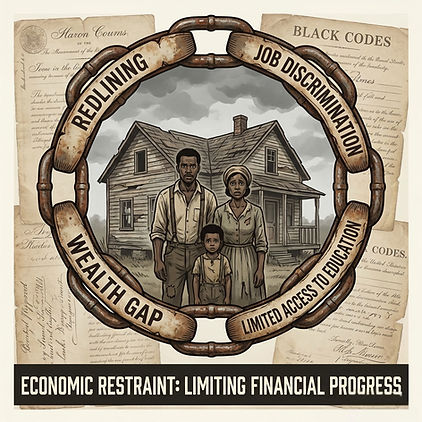
After slavery, various systems emerged to oppress people of color. Racist redlining, housing projects, and job discrimination left Black individuals without financial equity, as they had been treated as property. This created a significant generational wealth gap, forcing many back into oppressive conditions.
Jim Crow laws further entrenched their subjugation, while the lack of opportunities for freedom or financial stability made them easy targets for ongoing discrimination.
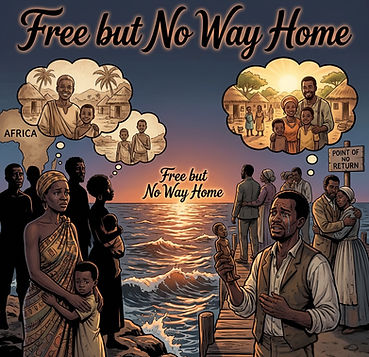
After the abolition of slavery, around 4 million formerly enslaved individuals were freed in the U.S. Yet, only 15,000 to 20,000 free Black people were sent to Liberia by the American Colonisation Society between 1820 and the 1860s. This was a mere fraction of the approximately 12 to 20 million Africans who had been enslaved around the world, including in countries like Brazil, Mexico, Argentina, Jamaica, Puerto Rico, Cuba, and various parts of Europe, including England.
Many of these individuals remained disconnected from their roots, haunted by memories of "Mother Africa." The psychological trauma of being torn from family and culture left those who could not return to their homeland trapped in a system with no way back. They held onto stories of their heritage, embodying the resilience of their ancestors while longing for a place forever out of reach.
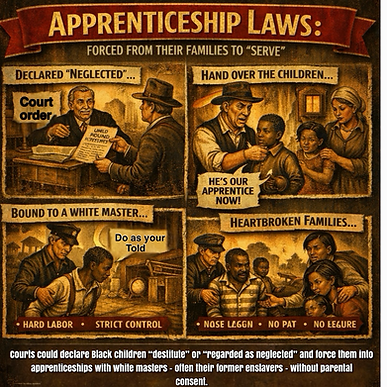
Did you know that the apprenticeship system, widely used in colleges and workplaces around the world, has roots in the oppressive structures established during slavery? Originally designed to control and exploit formerly enslaved Black individuals, this system perpetuated economic dependency and stripped away cultural identities. While it has evolved, its historical legacy serves as a reminder of how educational and labor frameworks can reinforce inequalities. Understanding this context is crucial for creating a more equitable future. The Racist Apprenticeship System: A Tool of Oppression Following the abolition of slavery, the apprenticeship system emerged as a means to maintain control over freed Black populations while creating the illusion of freedom. Designed to transition enslaved individuals into a free labor force, it ultimately perpetuated racial oppression. Key Features Limited Freedom Black apprentices were bound by strict regulations, facing punishment for minor infractions, which instilled fear and compliance. Economic Exploitation Former slaveholders exploited Black labor without fair compensation, reinforcing economic dependency and poverty. Cultural Erasure: The system aimed to strip away Black identities, forcing individuals into roles that aligned with Eurocentric values, marginalizing Black entrepreneurship. Lasting Impact The apprenticeship system entrenched racial hierarchies, normalizing discrimination and establishing socio-economic barriers that persist today. Despite its oppressive nature, many Black individuals resisted, forming communities that laid the groundwork for future civil rights movements. In essence, the apprenticeship system was a strategic effort to uphold white supremacy and economic exploitation, leaving a legacy of inequality that continues to resonate.
in jamaica
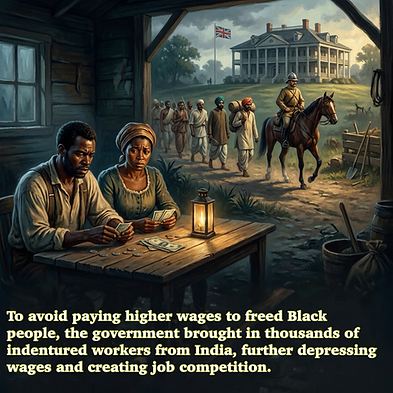
In response to labour shortages and unrest among freed Black people seeking higher wages following the abolition of slavery in 1834, the British government recruited thousands of Indian labourers to Jamaica.
Arrival Details: The first ship, the Maidstone, arrived in 1845 with approximately 261 labourers from Northern India, specifically from the Uttar Pradesh and Bihar regions.
Duration of Immigration: This programme lasted from 1845 to 1917, resulting in over 36,000 Indian labourers settling in Jamaica.
These indentured workers, predominantly Hindu, played a vital role in supporting the agricultural economy and significantly impacted Jamaica’s demographic and cultural landscape.
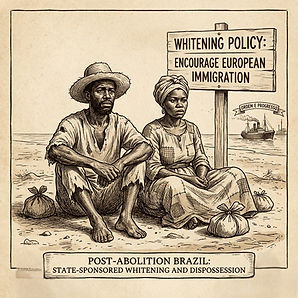
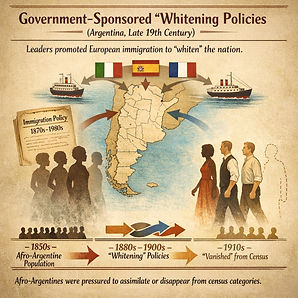
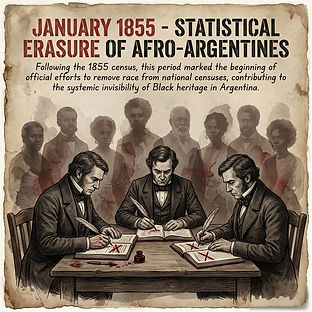
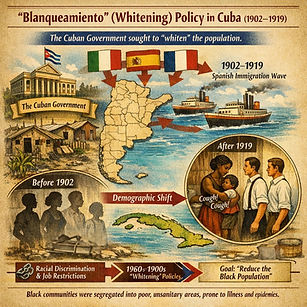
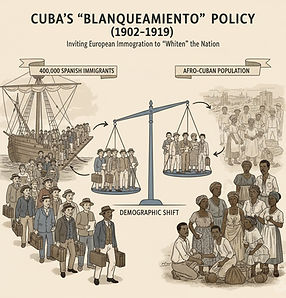
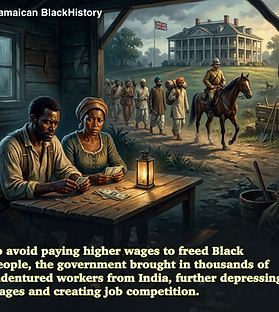
From the text on the other page, you can see some of the countries that implemented whitening policies to erase Black populations and reshape national identities toward a more European ideal, including Brazil, Argentina, Cuba, and others. The Motivation Behind Whitening Policies Whitening policies were driven by the belief that a European demographic would enhance national prestige and economic development. Governments aimed to create societies that aligned more closely with European ideals, often viewing Black populations as obstacles to this vision. To achieve this, they brought in large numbers of European immigrants, diminishing the visibility and influence of Afro-descendant communities. Brazil After the abolition of slavery in 1888, Brazil promoted European immigration as a means to "improve" racial composition. The government encouraged millions of Europeans to settle, leading to the marginalization and cultural erasure of Afro-Brazilians, despite their significant contributions to society. Argentina Argentina aggressively encouraged European immigration while systematically downplaying its African heritage. The influx of Europeans was substantial, aiming to create a national identity that largely ignored Afro-Argentines, further erasing their cultural presence. Cuba In Cuba, post-slavery efforts to promote European immigration sought to diminish Afro-Cuban visibility and influence. This included the settlement of thousands of Europeans, which continues to affect the recognition and equity of Afro-Cubans today. Jamaica In Jamaica, the government brought in thousands of Indian and Asian workers after slavery, further depressing wages for Black workers. This was a strategic move to marginalize Afro-Jamaicans economically and culturally, reinforcing systemic inequality. Other Countries Whitening policies were also evident in countries like Uruguay, Chile, the Dominican Republic, and Puerto Rico. These nations saw similar efforts to create a more European demographic, erasing Afro-descendant identities. In Venezuela and Costa Rica, large-scale European immigration aimed to reshape society, leading to patterns of marginalization of Black cultures. These historical policies were power moves to erase Black culture and identity, driven by a desire to reshape national identities. Acknowledging this legacy is essential for fostering a more inclusive understanding of our societies
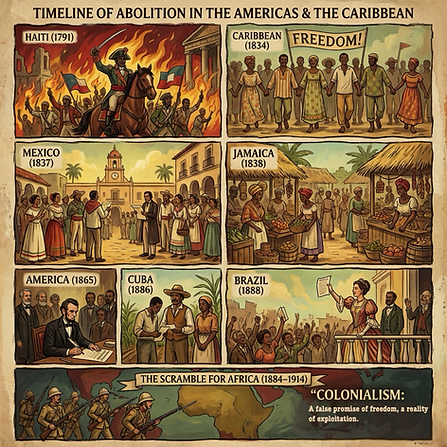
After the End of Slavery: The Scramble for Africa
This image illustrates the timelines of slavery abolition across various countries and highlights the 1884 Berlin Conference, orchestrated by Otto von Bismarck, the Chancellor of Germany. This conference involved major European powers, including Britain, France, Belgium, Portugal, Italy, Spain, and the Netherlands, and aimed to divide Africa for colonization, disregarding existing ethnic and cultural boundaries.
The Berlin Conference came just after the widespread abolition of the slave trade, reflecting a transition from slavery to colonial exploitation. King Leopold II of Belgium played a particularly notorious role, as he claimed the Congo Free State as his personal possession, brutally exploiting its resources and people.
The decisions made at this conference, along with the actions of these countries, have had lasting impacts on Africa, contributing to ongoing political instability, economic exploitation, and social fragmentation that continue to affect the continent today. Understanding this historical context is essential for addressing the legacies of colonialism in modern Africa.
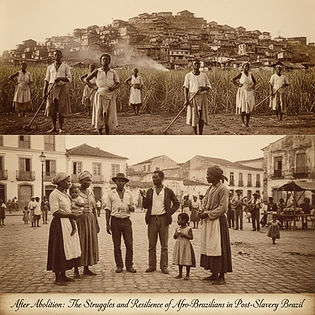

After the abolition of slavery in Brazil in 1888, the newly freed African descendants faced significant challenges. With no means of support and limited opportunities, many found themselves displaced and marginalized in society. Lacking access to housing and employment, these individuals began to settle on the outskirts of cities, forming what are now known as favelas. These informal settlements emerged as a response to the systemic neglect and socio-economic inequality that persisted long after slavery was abolished. Similarly, in Jamaica, the legacy of slavery left many former enslaved individuals in precarious situations. After emancipation in 1838, many found themselves without land or resources. This led to the creation of slums and informal communities, as people sought refuge in areas where they could build lives despite the harsh realities of poverty and exclusion. In the United States, similar patterns can be seen in the formation of ghettos and hoods, where marginalized communities have historically faced systemic barriers to access housing and economic opportunities. In England, these are often referred to as council estates, providing insight into different cultural contexts while reflecting similar socio-economic challenges. The formation of favelas in Brazil, slums in Jamaica, ghettos in America, and council estates in England illustrates a broader global phenomenon where marginalized communities arise in the aftermath of systemic oppression. Across the world, informal settlements have emerged in urban areas, often reflecting the struggles of displaced populations seeking to carve out a space for themselves in societies that have historically marginalized them. These communities, while often characterized by poverty and limited infrastructure, are also vibrant centers of culture, resilience, and community. They highlight the enduring spirit of people who, despite facing immense challenges, have created their own identities and social networks. Understanding the origins of these settlements is crucial to addressing the ongoing issues of inequality and social justice that persist today. In summary, the formation of favelas in Brazil, slums in Jamaica, ghettos in America, and council estates in England serves as a poignant reminder of the enduring impact of slavery and systemic inequality. These communities illustrate how marginalized populations adapt and survive in the face of adversity, contributing richly to the cultural tapestry of their nations.
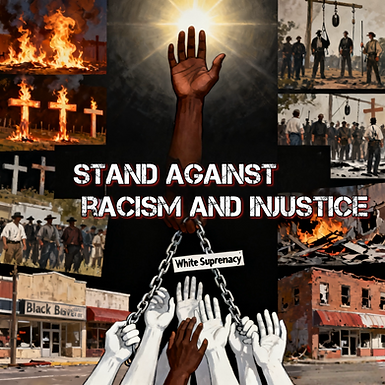
After the abolition of slavery, a dark chapter unfolded globally, characterized by systematic racism and violence. The aftermath saw the rise of lynching, sundown towns, and the Ku Klux Klan in the United States, targeting Black individuals and people of color with relentless oppression. Communities endured horrific injustices: crosses burned outside homes served as chilling warnings, businesses were torched, and lives were tragically lost. For instance, between 1882 and 1968, over 4,700 lynchings occurred in the U.S., instilling fear within African American communities. This reign of terror persisted for decades, fueling the emergence of the Civil Rights Movement in the mid-20th century. Key figures like Martin Luther King Jr. and organizations such as the NAACP fought to dismantle institutional racism, advocating for equality and justice. In England, the legacy of colonialism and racism manifested in different but equally insidious ways. The Race Relations Act of 1965 was a response to widespread discrimination faced by Black and Asian communities, yet racial tensions persisted. Events like the Bristol Bus Boycott in 1963 highlighted the struggle against color bars in employment, while the Notting Hill riots in 1958 underscored the deep-seated racial unrest in urban areas. In the Caribbean, the legacy of colonialism perpetuated social and economic disparities, leading to widespread discrimination. Movements for independence, such as those in Jamaica and Trinidad and Tobago, were fueled by a desire to eradicate both colonial rule and systemic racism. Globally, the fight against racism and injustice resonated in various forms, from the anti-apartheid movement in South Africa to protests against colonial rule in other parts of the world. The shared experiences of marginalized communities underscore a universal struggle against oppression, reminding us that the fight for equality is ongoing and far-reaching. Ultimately, the legacy of systemic racism and the resilience of those who resist it shape our collective history, urging us to confront and dismantle the injustices that still persist today. The enduring spirit of those who have fought against oppression serves as a powerful reminder that the struggle for justice continues in every corner of the world.
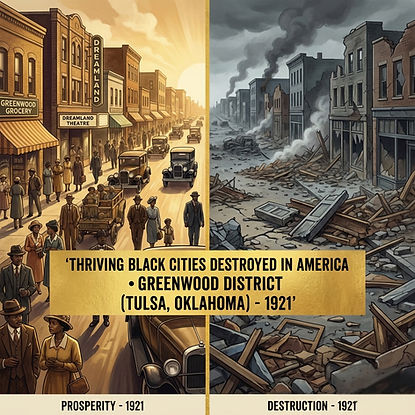
After the abolition of slavery, a dark chapter unfolded globally, characterized by systematic racism and violence. The aftermath saw the rise of lynching, sundown towns, and the Ku Klux Klan in the United States, targeting Black individuals and people of color with relentless oppression. Communities endured horrific injustices: crosses burned outside homes served as chilling warnings, businesses were torched, and lives were tragically lost. For instance, between 1882 and 1968, over 4,700 lynchings occurred in the U.S., instilling fear within African American communities. This reign of terror persisted for decades, fueling the emergence of the Civil Rights Movement in the mid-20th century. Key figures like Martin Luther King Jr. and organizations such as the NAACP fought to dismantle institutional racism, advocating for equality and justice. In England, the legacy of colonialism and racism manifested in different but equally insidious ways. The Race Relations Act of 1965 was a response to widespread discrimination faced by Black and Asian communities, yet racial tensions persisted. Events like the Bristol Bus Boycott in 1963 highlighted the struggle against color bars in employment, while the Notting Hill riots in 1958 underscored the deep-seated racial unrest in urban areas. In the Caribbean, the legacy of colonialism perpetuated social and economic disparities, leading to widespread discrimination. Movements for independence, such as those in Jamaica and Trinidad and Tobago, were fueled by a desire to eradicate both colonial rule and systemic racism. Globally, the fight against racism and injustice resonated in various forms, from the anti-apartheid movement in South Africa to protests against colonial rule in other parts of the world. The shared experiences of marginalized communities underscore a universal struggle against oppression, reminding us that the fight for equality is ongoing and far-reaching. Ultimately, the legacy of systemic racism and the resilience of those who resist it shape our collective history, urging us to confront and dismantle the injustices that still persist today. The enduring spirit of those who have fought against oppression serves as a powerful reminder that the struggle for justice continues in every corner of the world.
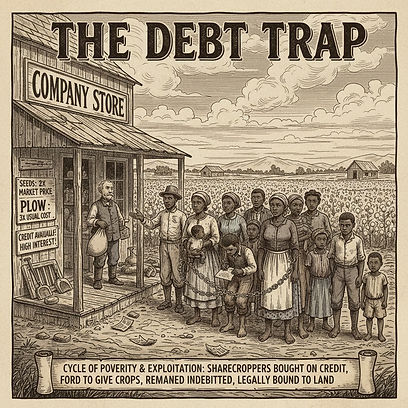
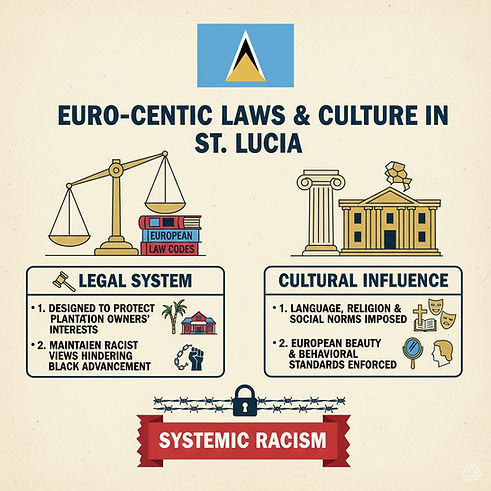
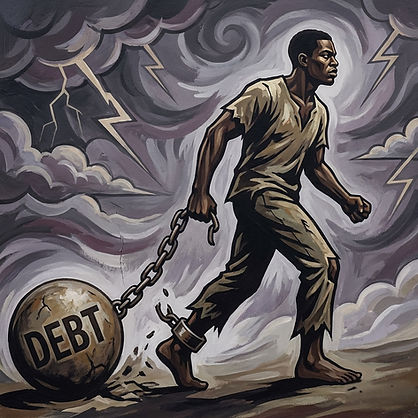
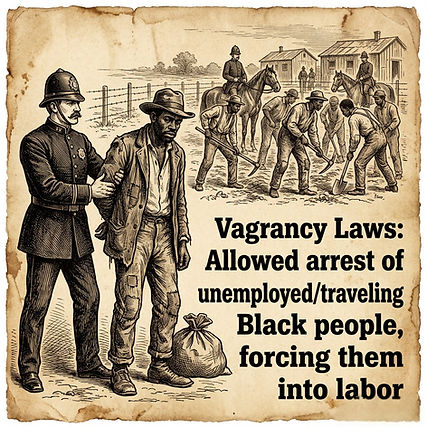
Systematic racism has deep roots in the history of slavery, manifesting through various schemes designed to maintain control over Black individuals long after emancipation. The legacy of these oppressive systems continues to affect communities today. One of the most insidious methods was the Black Codes, enacted in the Southern states after the Civil War. These laws restricted the freedom of Black people, effectively criminalising poverty and vagrancy. For instance, laws against loitering or not having a job could lead to arrest, forcing individuals into labor contracts that resembled slavery. Another significant trap was the convict leasing system, which allowed states to lease prisoners to private businesses. This system disproportionately affected Black men, who were often imprisoned for minor infractions under the Black Codes. As a result, many were forced into grueling labor under brutal conditions, perpetuating a cycle of exploitation. Additionally, the debt peonage system emerged, where Black individuals were entangled in cycles of debt that they could never repay, effectively binding them to their employers. This form of economic enslavement kept families in poverty and limited their opportunities for upward mobility. The apprenticeship scheme , initially intended to provide skills training, was often manipulated to coerce Black children into labor for white families. Although framed as a form of education, it frequently resulted in exploitation, stripping children of their rights and freedoms. Furthermore, laws like the Jim Crow laws institutionalised racial segregation, disenfranchising Black voters and perpetuating economic inequality. These laws enforced a system of racial hierarchy, ensuring that Black communities remained marginalized and impoverished. These systemic traps Black Codes, convict leasing, debt peonage, apprenticeship schemes, and Jim Crow laws form a complex web of oppression that has historically sought to keep Black individuals subjugated. Recognizing and understanding these mechanisms is crucial in addressing the ongoing impacts of systemic racism. In summary, the legacy of slavery is perpetuated through a series of laws and systems designed to maintain control over Black lives. By dismantling these structures and acknowledging their historical significance, we can work towards a more just and equitable society.
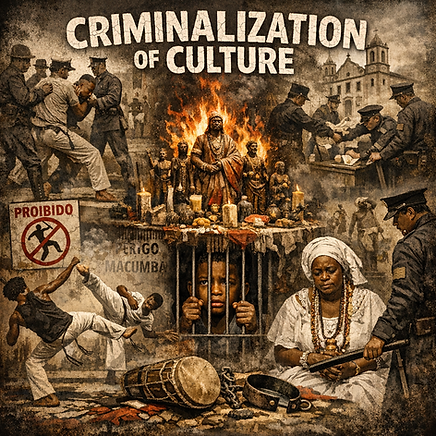
After the abolition of slavery, many African religions and cultural practices faced systematic suppression across the globe. In numerous regions, traditional African spiritualities were criminalized, often labeled as "pagan" or "savage." This criminalization not only led to arrests and persecution but also to the erasure of rich cultural heritages that had thrived for centuries. In the United States, laws were enacted that targeted African cultural expressions. For example, in the late 19th century, the practice of hoodoo a blend of African spiritual practices and folk magic was often demonised and linked to criminality. Similarly, during the early 20th century, the Laws Against Voodoo in Louisiana sought to suppress the practice of Voodoo, an African-derived religion that blended elements of West African spirituality with Catholicism. Practitioners faced harassment, arrest, and social ostracism, leading to a significant decline in the open practice of these traditions. In Brazil, the Religious Intolerance Law of 1941 targeted Afro-Brazilian religions like Candomblé and Umbanda. Practitioners faced discrimination, with many rituals being prohibited or driven underground. Despite this, these religions have persisted, integrating elements of Christianity while maintaining their African roots. The Caribbean also witnessed similar suppression. In Haiti, after the revolution against slavery, Vodou a religion rooted in West African traditions was initially celebrated but later faced stigmatisation and suppression during various political regimes. This led many to adopt more Westernized religious practices, often at the expense of their ancestral traditions. In urban centers like New Orleans, the legacy of African cultural practices lives on through vibrant expressions of music, cuisine, and spirituality. However, the historical demonization of these practices has led to a complex relationship with African heritage. Many Black individuals in the diaspora have adopted Western traditions, distancing themselves from their African roots due to societal pressures and the historical narrative that has long devalued these cultures. Today, African religions and cultural practices continue to thrive in various parts of the world. In Brazil, Candomblé and Umbanda flourish, celebrating African deities and traditions. In New Orleans, Vodou is practiced openly, serving as a source of cultural pride and community. Additionally, in places like Cuba, Santería a fusion of African spirituality and Catholicism remains a vital expression of cultural identity. Despite centuries of oppression, the resilience of African cultures is evident in these communities. The ongoing revival of African traditions in the diaspora serves as a powerful testament to the strength and endurance of these identities. Celebrating and preserving these cultures is crucial not only for the communities that practice them but for the broader understanding of human history and spirituality. In summary, the criminalization of African religions and cultures has had a profound impact, leading to significant losses in cultural heritage. However, the strength of these traditions continues to resonate in places like Brazil, Haiti, and New Orleans, where they thrive and adapt, enriching the cultural tapestry of the world.
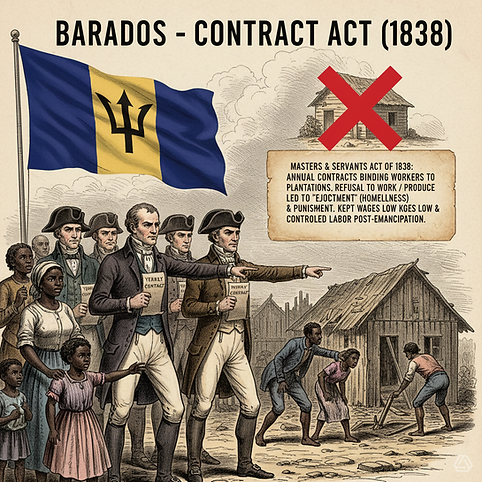
Never Forget
The journey